
How OCT Imaging Helps Diagnose and Track a Macular Pucker
Submitted by Michael J. Elman, M.D. on January 15, 2026
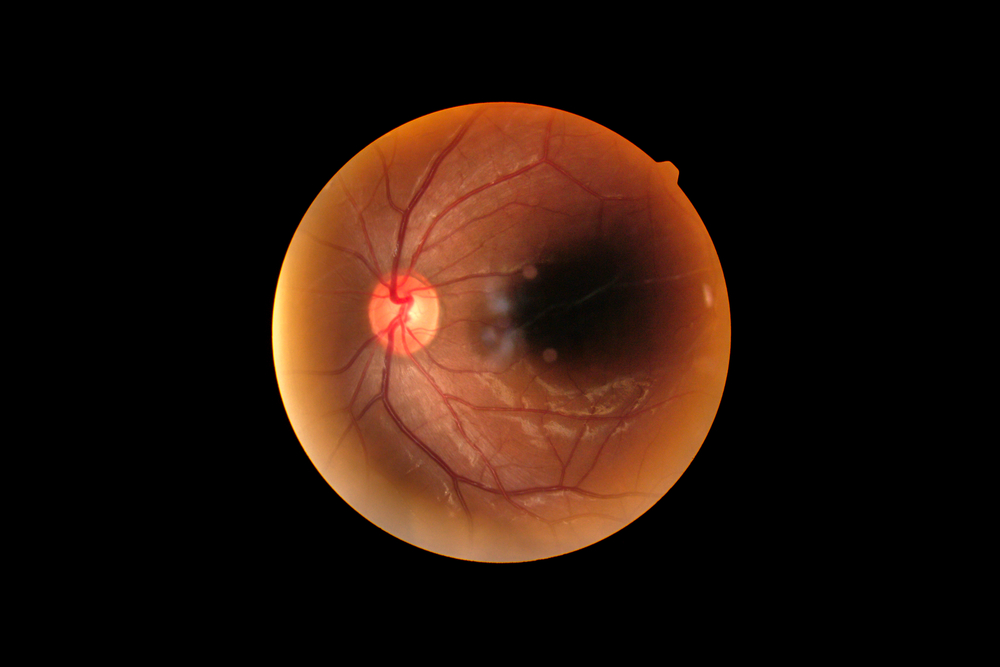
Modern retinal care relies on advanced technology to detect subtle changes inside the eye. One of the most important diagnostic tools available today is optical coherence tomography (OCT). For patients with a macular pucker—also called an epiretinal membrane (ERM)—OCT imaging provides a detailed view of the retina, allowing specialists to diagnose, monitor, and guide treatment with remarkable precision.
At Elman Retina Group, our board-certified retina specialists use OCT imaging daily to monitor disease progression and determine when treatment or surgery may be necessary.
What Is a Macular Pucker?
A macular pucker occurs when a thin layer of scar-like tissue forms on the surface of the macula, the central portion of the retina responsible for detailed vision. This membrane can contract over time, wrinkling or distorting the retina and causing blurry or wavy central vision. While some cases remain mild, others progress and may require surgical removal through a procedure called pars plana vitrectomy.
How OCT Imaging Works
Optical coherence tomography is a non-invasive imaging test that uses light waves to create high-resolution, cross-sectional images of the retina. Much like an ultrasound uses sound waves, OCT uses light to measure its reflection and visualize the layers of the retina in exquisite detail. The test is quick, painless, and performed in our office. Patients simply look into the machine while the scan captures multiple images in seconds.
Why OCT Is Essential for Macular Pucker Diagnosis
OCT allows specialists to see the fine structure of the macula and identify even the earliest signs of membrane formation. This level of detail helps distinguish macular puckers from other conditions with similar symptoms, such as macular holes or macular edema. In addition, OCT reveals the extent of traction the membrane exerts on the retina—information that helps determine whether observation or surgery is appropriate.
Tracking Changes Over Time
For patients being monitored rather than treated surgically, OCT plays a vital role in follow-up care. Serial scans allow retina specialists to compare images over time and detect subtle changes in macular thickness or distortion. This data-driven approach ensures that intervention occurs only when necessary, minimizing the risk of overtreatment while protecting long-term vision.
Comprehensive Retinal Care in Maryland
OCT imaging has transformed how specialists diagnose and manage macular puckers, enabling earlier detection and more personalized treatment. At Elman Retina Group, serving the Baltimore, Pikesville, and Glen Burnie region, our team combines advanced diagnostic technology with decades of experience in retinal care. If you’ve noticed vision distortion or blurriness, schedule an evaluation today by contacting us at (410) 686-3000.
We’re happy to hear from you! Please be aware that this form is not monitored closely and isn’t the best way to reach us with medical questions. For timely assistance, please call the office directly, and avoid sharing medical or sensitive information here.


