
Buy Diflucan Online
Home » Telehealth Pharmacy Services & Online Consultations »
- By Dr. Anate Aelon M.D (Gynecologist)
- Medically reviewed by Dr. Mary D’Alton M.D (Gynecologist)
Buy Diflucan online if a single dose may be enough—this is an oral option that many often choose for uncomplicated fungal infections in practice. This is convenient if you want to avoid using creams for several days. The active ingredient (fluconazole) is well studied and widely used. That is why Diflucan is so popular worldwide.
Prescription required
What Is Diflucan and How Does It Work?
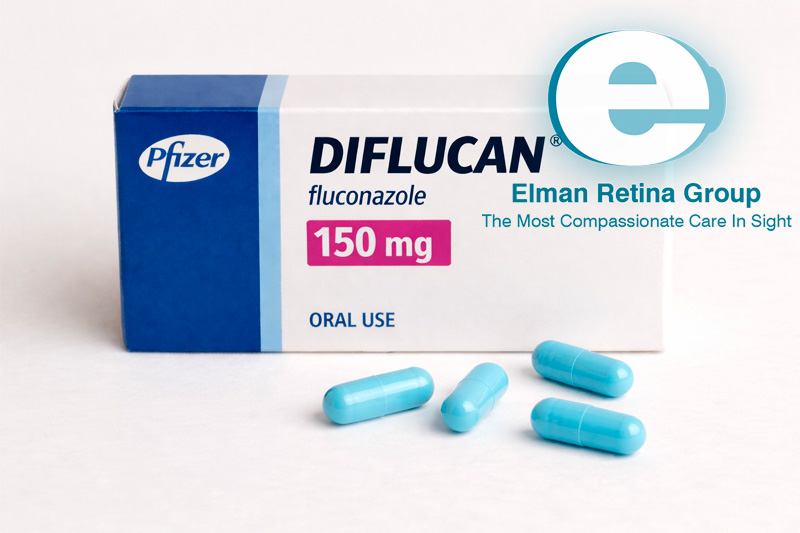
Diflucan is the brand name for fluconazole, a prescription antifungal made by Pfizer. The FDA approved it in 1990 to treat Candida and Cryptococcus infections. It remains one of the most prescribed antifungals in the US. Since then, Diflucan has become one of the most commonly prescribed antifungals in the US—and many patients choose to buy Diflucan when a fungal infection needs treatment.
Here’s the basic idea of how it works: Diflucan makes it hard for fungus to build and maintain its protective outer layer. When that layer gets weak, the fungus can’t keep growing normally.
Diflucan usually slows down the fungus rather than instantly killing it. That’s why your immune system matters: once the growth is under control, your body clears the infection. If someone has a weakened immune system, treatment may need to last longer.
Diflucan comes as tablets, a liquid, and an IV form. The pill is absorbed very well by the body. For many typical yeast infections, a single 150 mg tablet is often enough.
Diflucan for Yeast Infection: One-Pill Treatment
Vaginal yeast infections are very common—about 3 out of 4 women will have at least one episode in their lifetime. For many uncomplicated cases, Diflucan offers a simple option: one 150 mg tablet taken by mouth. No creams, no multi-day routine. There’s also clinical data behind the single-dose approach. A multicenter trial published on PubMed reported that one 150 mg dose cured or improved symptoms in 97% of patients within 5 to 16 days, with mycological eradication reaching 93%.
Beyond vaginal candidiasis, Diflucan is used for several other Candida-related infections, with dosing tailored to the condition:
- Oral thrush (oropharyngeal candidiasis) — typically 200 mg on day one, then 100 mg daily for at least two weeks
- Esophageal candidiasis — 200 mg on day one, then 100–400 mg daily for a minimum of three weeks
- Urinary tract candida infections — 50 to 200 mg once daily
- Cryptococcal meningitis — up to 400 mg daily for extended periods
- Systemic candidiasis and candidemia — doses up to 400 mg daily, depending on severity
Diflucan in HIV/AIDS: Preventing Fungal Infections
People living with HIV/AIDS face a much higher risk of fungal infections. A weakened immune system allows Candida and Cryptococcus to thrive. Diflucan plays a critical role in HIV care.
CDC/NIH/IDSA guidelines recommend fluconazole 100–200 mg daily as suppressive therapy for recurrent oral candidiasis in HIV-positive patients. For cryptococcal meningitis — a life-threatening AIDS complication — 200 mg daily is standard long-term maintenance. In resource-limited settings, fluconazole prophylaxis reduces mortality in patients with CD4 counts below 100 cells/mm³.
How to buy Diflucan (Fluconazole) Online with a Prescription?
Our Gynecologists

Can You Buy Diflucan Without a Prescription?
This is one of the most common questions people ask. The short answer: it depends on where you live. In the United States, Diflucan is prescription-only. You cannot buy Diflucan over the counter at any US pharmacy. This applies to both brand-name and generic versions.
In the UK, however, pharmacists can sell a single 150 mg capsule without a prescription for vaginal thrush. Australia and several EU countries follow similar rules. So can you buy Diflucan over the counter in the US? No. If websites claim to sell it without a prescription, proceed with extreme caution. Unregulated sources may provide counterfeit products.
The safest route is a telehealth visit. Many licensed platforms let you consult a provider online and receive a prescription the same day. This makes it simple to buy Diflucan online through a legitimate pharmacy.
Where to Buy Diflucan Online Safely
Telehealth has made it faster than ever to buy Diflucan online with a valid prescription. Platforms like Lemonaid Health, NURX, and Wisp connect you with licensed providers. Most consultations take under 15 minutes.
With a prescription in hand, fill it at CVS, Walgreens, or Walmart. You can also buy Diflucan online through verified mail-order services like Amazon Pharmacy or Capsule.
Before you buy Diflucan online, check these safety markers:
If a website lets you buy Diflucan online without any medical consultation, that is a red flag. Always verify the source before placing an order.
Buy Generic Fluconazole: How to Save in 2026
The price difference between brand Diflucan and generic fluconazole is dramatic. Here is a current comparison:
Side-by-side pricing snapshot (retail vs coupon)
Brand
$137–$815
$37.38 (GoodRx)
Minimal
Generic
$57–$400
$3.31 (SingleCare) / $3.92 (GoodRx)
Up to 90%
Note: Prices are indicative and may vary by pharmacy, location, and coupon availability.
Generic fluconazole contains the identical active ingredient. The FDA requires generics to meet the same standards of safety, quality, and effectiveness as their brand-name counterparts. There is no clinical difference between them.
To get the best deal when you buy Diflucan online as a generic, use a free coupon from GoodRx or SingleCare. These work even without insurance. Most Medicare and commercial plans also cover generic fluconazole with low copays.
Can i buy Diflucan over the counter to save money? Unfortunately, no — even the generic requires a prescription in the US. However, with coupons, the out-of-pocket cost can be as low as $3.31 for a full course of treatment. That makes it one of the most affordable prescription medications available.
Diflucan vs Monistat: Pill or Cream?
This is the comparison most women search for. Diflucan (fluconazole) is an oral pill. Monistat (miconazole) is a topical cream or suppository sold over the counter. Both treat vaginal yeast infections, but they work very differently.
Tip: If you’re comparing options quickly, focus on the “Form,” “Prescription,” and “Treatment Duration” rows first — those usually drive the decision.
The CDC currently recommends topical azoles like Monistat as first-line therapy for uncomplicated yeast infections. Still, Diflucan is equally effective and preferred for its convenience. Your provider may suggest Diflucan when topical treatments fail or when infections recur frequently.
Diflucan Resistance: Why Symptoms Can Persist
Sometimes the body does not respond to Diflucan — and here’s why that can happen. It is not always a dosing issue. A common reason is antifungal resistance. That means Candida becomes less sensitive to fluconazole, so the expected effect is weaker.
According to the CDC, about 6% of Candida bloodstream isolates tested are resistant to fluconazole, and this overall rate has stayed fairly stable for years. What matters more is the species breakdown. Candida albicans tends to remain low (around 0.5–2% in the US), while Candida glabrata is reported much higher (often 11–13%). With Candida krusei, resistance is intrinsic, so fluconazole is not expected to work. The most concerning pattern is seen with Candida auris: CDC data show Candida auris of US isolates are resistant to fluconazole.
Risk tends to be higher after repeated fluconazole courses and in immunocompromised patients. In these settings, resistant species are seen more often.
If the response is limited, do not just repeat the dose. A better next step is a vaginal culture with susceptibility testing. It identifies the Candida species and shows which antifungals are likely to work.
For resistant or recurrent infections, a clinician may consider newer options such as vaginal culture with susceptibility testing or oteseconazole (Vivjoa).
Diflucan Dosage by Condition
Fluconazole dosing depends on the type and severity of infection. The doses below reflect FDA-approved labeling and Mayo Clinic guidance.
Typical adult regimens (quick view). Exact dosing can vary by clinical scenario.
150 mg once
200 mg
100 mg daily
14 days
200 mg
100–400 mg daily
3 weeks
Up to 400 mg daily
150 mg weekly
6 months
Renal impairment: Dose adjustments may be needed because 80% of fluconazole is eliminated unchanged by the kidneys.
Diflucan and Pregnancy: What You Need to Know
Pregnancy changes hormones and vaginal pH. Because of that, yeast infections can show up more often. At the same time, medication choices matter more.
The main concern with fluconazole is high-dose, longer-course use (about 400–800 mg/day). This matters most in the first trimester. The FDA warns that these higher doses may be linked to birth defects in case reports. That is why clinicians usually avoid high-dose oral fluconazole during pregnancy.
A single 150 mg dose is different. The risk appears much lower at typical dosing. A large Danish study of over 7,300 exposed pregnancies found no increased risk of birth defects at common doses. In 2019, the FDA also noted that available data do not confirm increased miscarriage risk from a single 150 mg dose.
Even so, the CDC prefers topical antifungals during pregnancy. Common options include clotrimazole and miconazole. Oral fluconazole is usually reserved for cases where topical therapy fails. It may also be used when a clinician decides the benefits outweigh the risks.
If you are pregnant or trying to conceive, talk with your doctor before using Diflucan. They can help you pick the safest option for your situation.
Diflucan Side Effects: What to Expect
Now, a quick word about side effects. Most people tolerate Diflucan well. The most common issues are headache, nausea, abdominal discomfort, and diarrhea. A skin rash can also happen.
Serious side effects are uncommon, but they are worth knowing. Diflucan can affect the liver, especially if you already have liver disease or serious health conditions. Contact a clinician if you notice yellowing skin, dark urine, or unusual fatigue. The FDA label describes rare cases of hepatotoxicity, mostly in patients with significant underlying illness. As for alcohol, there is no absolute contraindication. Still, both fluconazole and alcohol can stress the liver. Many providers suggest avoiding alcohol during treatment.
Diflucan can also interact with other medications. That can raise levels of certain drugs. For example, warfarin users may bleed more easily, and some statins can carry a higher risk of muscle problems. Share your full medication list with your prescriber.
About The Author

Dr. Anate Aelon, M.D., is a board-certified specialist in reproductive endocrinology and infertility with extensive experience in advanced fertility care. She earned her medical degree from the George Washington University School of Medicine, where she was inducted into the Alpha Omega Alpha Honor Medical Society in recognition of academic excellence.
Disclaimer
The information provided on this page is intended for general educational purposes only and does not constitute medical advice, diagnosis, or treatment. Health conditions, symptoms, and treatment responses vary significantly between individuals, and there is no universal approach suitable for every patient.
Medical decisions should only be made in consultation with a licensed healthcare professional who can evaluate your medical history, current medications, underlying conditions, and individual risk factors. Information on this page should not be used to determine treatment plans, medication selection, dosage, or to assess potential drug interactions.
This content is not a substitute for professional medical care. Before starting, modifying, or discontinuing any medication or therapy, you should seek guidance from a qualified physician, pharmacist, or other licensed clinician who can provide personalized medical advice based on a proper clinical assessment.
If you have questions or concerns regarding your health, treatment options, or medications, always consult a licensed medical professional.
Related Pages
We’re happy to hear from you! Please be aware that this form is not monitored closely and isn’t the best way to reach us with medical questions. For timely assistance, please call the office directly, and avoid sharing medical or sensitive information here.


