
Buy Lyrica Online
Home » Telehealth Pharmacy Services & Online Consultations »
- By Dr. Rory Abrams M.D (Neurologist)
- Medically reviewed by Dr. Mark W. Albers M.D (Neurologist)
Buy Lyrica online to address nerve pain at its source. Unlike conventional painkillers, pregabalin calms misfiring electrical signals directly. Most medications target inflammation or block pain receptors — Lyrica takes a different path by reducing the release of neurotransmitters that amplify pain. This makes it effective where other approaches fail: diabetic neuropathy, fibromyalgia, postherpetic neuralgia. The FDA recognized this unique mechanism by approving Lyrica for conditions with few other options.
What Is Lyrica and How Does It Work?
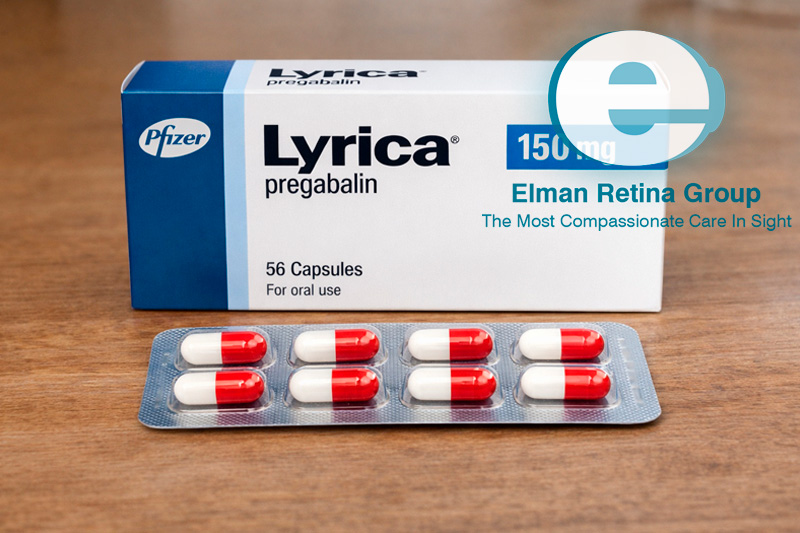
Lyrica (pregabalin) is a prescription medicine. The FDA approved it in 2004. It belongs to a group called gabapentinoids. It is not an opioid. Instead, it helps calm overactive nerve signals in the brain and spinal cord. That’s why doctors use it for certain types of nerve pain. Lyrica comes as capsules (25 mg to 300 mg) and as an oral solution. Many people who buy Lyrica online choose capsules because they are simple to take and easy to dose.
On a technical level, pregabalin binds to the alpha-2-delta subunit of voltage-gated calcium channels. This can lower the release of pain-signaling chemicals. For some people, that means less nerve pain and fewer flares.
It is absorbed fairly quickly. Peak levels can occur in about an hour in fasting conditions. According to the FDA prescribing information, Lyrica has approximately 90% bioavailability. This means your body absorbs most of the drug efficiently.However, it is not a “quick fix” for acute pain. It works best when used as prescribed on a steady schedule.
Is Lyrica an Opioid or Narcotic? The Truth
Lyrica is not an opioid. It does not act on opioid receptors, so it works differently from medicines like oxycodone or morphine.
In the U.S., pregabalin is a Schedule V controlled substance. That’s because misuse is possible, even though the overall risk is lower than with many other controlled drugs. Some people report a “lighter” mood or relaxation, which can create confusion about what it is.
When you buy Lyrica online, a legitimate pharmacy will require a valid prescription and basic verification. This requirement exists because of its controlled status. Also remember: while it’s not an opioid, mixing pregabalin with alcohol or other sedatives can increase the chance of serious side effects.
5 Conditions Lyrica Treats (Plus Off-Label Uses)
The FDA has approved Lyrica for five specific conditions. Additionally, doctors prescribe it off-label for several other uses.
Many patients buy Lyrica online for these approved conditions. However, off-label uses are also common. In Europe, Lyrica is approved for generalized anxiety disorder (GAD). In the United States, this remains an off-label use.
Other off-label applications include restless leg syndrome, chronic pruritus, and migraine prevention. The NCBI clinical resource notes that evidence for these uses varies significantly.
How Effective Is Lyrica? What the Research Says
Clinical trials show Lyrica provides meaningful pain relief for many patients. However, results vary by condition. Understanding realistic expectations helps you make informed decisions. For diabetic neuropathy, studies show 30-50% pain reduction in responders. Not everyone responds equally. Approximately 1 in 4 patients experience significant improvement. Others may need alternative treatments.
Fibromyalgia research reveals similar patterns. A Cochrane systematic review found that about 10% of patients achieve substantial pain relief. This may seem low. However, fibromyalgia is notoriously difficult to treat. Before you buy Lyrica online, discuss expectations with your doctor. The medication works best as part of a comprehensive treatment plan. This may include physical therapy and lifestyle changes.
How to buy Lyrica (Pregabalin) Online with a Prescription?
Our Neurologists

Generic Pregabalin vs Brand Lyrica: Price Comparison 2026
Generic pregabalin entered the U.S. market after the FDA cleared the first Lyrica generics in July 2019. That opened the door to much lower cash prices for many patients. (Source: FDA first generics list)
If you pay out of pocket, the difference can be massive. Brand Lyrica prices often sit in the “hundreds” range. Generic pregabalin can drop to double digits with common discount programs. So when people plan to buy Lyrica online, the real savings usually come from choosing the generic, unless your prescriber specifically requires the brand.
Brand cash-price example source: Drugs.com Lyrica price guide.
Generic retail/coupon example source: GoodRx pregabalin prices.
The practical takeaway is simple: ask your prescriber or pharmacist whether generic substitution is allowed. Then compare a few discount programs at checkout. If you’re deciding where to buy Lyrica for the lowest cash price, that quick comparison usually beats guessing based on one website.
How to Save on Lyrica: Coupons, GoodRx & Discounts
There are a few practical ways to bring the cost down. What works best depends on your insurance and the pharmacy you use:
- GoodRx coupons: Many people use them to lower the price of generic pregabalin. The final amount depends on dose, quantity, and the pharmacy.
- Manufacturer savings: Some brand programs may help insured patients reduce the per-fill cost, when they qualify.
- Patient assistance programs: In some cases, these exist for people without insurance who meet income criteria.
- 90-day supply: If your prescriber allows it, a longer supply can reduce the per-capsule price and cut down on refill fees.
You may also see searches like buy Lyrica no prescription. In the U.S., that’s a red flag. Pregabalin is a controlled medication, so legitimate pharmacies require a valid prescription. If a site skips that step, it’s not just a legal issue — it’s a safety issue.
Finally, compare a few pharmacies before you pay. Prices can vary a lot. Some online pharmacies are competitive, but the basics still apply: only buy Lyrica online from a licensed pharmacy that verifies your prescription and offers pharmacist support.
Lyrica Dosage by Condition
Lyrica dosing depends on what it’s being used for. Most clinicians start with a lower total daily dose, then increase it step by step if you tolerate it. That pace matters, because side effects are more common during the first days of titration.
If you have kidney problems, dosing often needs adjustment. Pregabalin is cleared mainly through the kidneys, so reduced kidney function can increase drug exposure. Your clinician typically uses kidney function (often creatinine clearance) to choose a safer daily dose and schedule.
One rule is simple: don’t change the dose on your own. Going up too fast raises the chance of dizziness, sleepiness, and other side effects. If the current dose isn’t working, it’s better to talk through the next step than to “test” a higher dose yourself.
Why Is Lyrica a Controlled Substance?
Pregabalin is controlled in the U.S. because regulators have seen patterns of misuse. It’s not “on the same level” as strong opioids, but it can still be taken in ways it wasn’t intended — especially at high doses or in risky combinations. What does that change for a normal patient? Mostly paperwork and timing. Refills can be more regulated. Pharmacies may be stricter about early refills. And your prescriber may want periodic follow-ups before continuing the prescription.
The other reason this matters is monitoring. If someone has a history of substance misuse, clinicians usually take a more cautious approach. That can mean slower titration, smaller quantities per fill, or choosing another option if the risk-benefit balance looks poor. Finally, “controlled” doesn’t mean “unsafe.” It means the system treats it as a medication that deserves extra guardrails. If you use it exactly as prescribed and avoid mixing it with sedatives unless your doctor approves, the risk profile is usually much more predictable.
Lyrica Withdrawal: Timeline & How to Taper Safely
Some people feel unwell if they stop Lyrica suddenly. This can happen because the nervous system gets used to the medication. When it is removed at once, the body needs time to adjust back. That adjustment period is what people call withdrawal.
Common withdrawal symptoms:
- Difficulty sleeping (insomnia)
- Headaches
- Nausea and diarrhea
- Increased anxiety
- Sweating
- Flu-like symptoms
Less often, symptoms can be stronger. In rare cases, seizures have been reported, especially in people who take pregabalin for seizure disorders or who stop abruptly after higher doses.
The FDA recommends tapering over at least one week, as noted in the official prescribing information. Still, many clinicians go slower, because a gradual reduction is often easier to tolerate. One common approach is reducing the total daily dose step by step each week, then adjusting the pace based on how you feel.
For many patients, symptoms ease within one to two weeks after the final dose. If symptoms keep going, or if you feel significantly worse during the taper, contact your clinician. The plan can usually be slowed down safely.
Lyrica Side Effects: What to Expect
Lyrica can cause side effects, especially during the first weeks or after a dose increase. Many people notice them early, then they fade as the body adjusts. Still, a few symptoms should never be ignored.
The official list of adverse reactions and cautions is in the FDA prescribing information. Also note that the FDA has highlighted breathing-risk concerns for gabapentinoids in higher-risk situations, especially when combined with opioids or other CNS depressants.
Weight Gain & Sexual Side Effects
These two topics come up often, because they affect daily life. The good news is that they are usually manageable once you know what to watch for.
Why weight can change: for some people, pregabalin increases appetite. It can also cause fluid retention, which shows up as swelling in the legs or hands. In addition, if you feel more tired, your activity may drop without you noticing. Any of these can shift the scale.
What can help: track weight once or twice a week, not daily. Watch for rapid changes or new swelling. Ask your clinician if adjusting the dose timing could reduce sleepiness. If swelling is persistent, report it early rather than trying to “push through.”
Why sexual side effects can happen: it’s often indirect. Sleepiness, brain fog, lower energy, or changes in mood can affect libido. Sometimes it’s the overall medication mix, not pregabalin alone. Pain itself can also change sexual function, so improvement or worsening may vary from person to person.
What can help: bring it up plainly with your clinician. A small dose change, slower titration, or reviewing other medications can make a difference. If the effect is persistent, it’s also reasonable to discuss alternative treatments that fit your diagnosis.
Frequently Asked Questions
About The Author

Dr. Rory Abrams, M.D., is a board-certified neurologist providing comprehensive neurological care to adult patients in New York, New York, with additional clinical practice locations in the region. He focuses on the accurate diagnosis and long-term management of a wide range of neurological conditions, emphasizing evidence-based care and continuity of treatment.
Disclaimer
The information provided on this page is intended for general educational purposes only and does not constitute medical advice, diagnosis, or treatment. Health conditions, symptoms, and treatment responses vary significantly between individuals, and there is no universal approach suitable for every patient.
Medical decisions should only be made in consultation with a licensed healthcare professional who can evaluate your medical history, current medications, underlying conditions, and individual risk factors. Information on this page should not be used to determine treatment plans, medication selection, dosage, or to assess potential drug interactions.
This content is not a substitute for professional medical care. Before starting, modifying, or discontinuing any medication or therapy, you should seek guidance from a qualified physician, pharmacist, or other licensed clinician who can provide personalized medical advice based on a proper clinical assessment.
If you have questions or concerns regarding your health, treatment options, or medications, always consult a licensed medical professional.
Related Pages
We’re happy to hear from you! Please be aware that this form is not monitored closely and isn’t the best way to reach us with medical questions. For timely assistance, please call the office directly, and avoid sharing medical or sensitive information here.


