
Buy Prednisone Online
Home » Telehealth Pharmacy Services & Online Consultations »
- By Dr. Liping L. Zhong M.D (Family Physician)
- Medically reviewed by Dr. Trent P. Ainsworth DO (Family Physician)
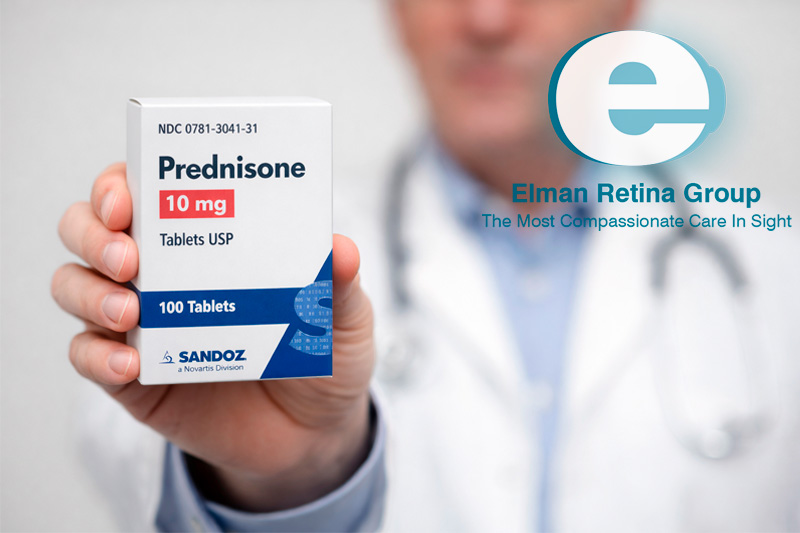
Looking to buy prednisone online? This corticosteroid earns its reputation — slowing inflammation, calming immune overreaction, speeding recovery. One tablet sets the process in motion. Swelling fades, comfort returns, relief begins within hours. Below: trusted pharmacies, dosing logic, and guidance from a physician’s perspective.
What Happens After You Take Prednisone
Same Medication, Different Mission
Prescription Required
FDA Approved
Fast-Acting Corticosteroid
Prednisone — a Medication That Requires Real Caution
Prednisone isn’t a routine anti-inflammatory — it’s a powerful tool we use when other treatments stop working. It helps calm inflammation fast, control allergies, and manage autoimmune flare-ups. But it’s not a drug to experiment with on your own — every dose and duration must fit the person, not just the diagnosis.
Before you decide to buy prednisone, remember that your health background, stress level, and any ongoing conditions all influence how your body reacts. Even short-term courses require care and follow-up. If you’d like to see an evidence-based explanation of how prednisone works, this clinical guide by the U.S. National Library of Medicine gives a clear picture. Prednisone is effective — but it works best when used with awareness and medical guidance.
Where to Buy Prednisone Online
Prednisone is available only with a valid prescription, and that rule exists for good reason — this corticosteroid affects metabolism, immunity, and inflammation control. Before you start searching for where to buy prednisone, make sure the pharmacy verifies your prescription and provides transparent information about the product’s origin, expiration date, and packaging. Reputable pharmacies always display both the manufacturer and storage conditions.
Here’s how the process works on a few trusted U.S. pharmacy platforms when you buy prednisone online:
- HealthWarehouse — requires uploading your prescription, confirms order within 24 hours, and ships directly from a U.S.-licensed facility.
- CVS Pharmacy — allows refill reminders and pharmacist consultation during checkout.
- Walmart Pharmacy — offers competitive pricing and in-store pickup for online orders.
Always check that the product is labeled as “Rx only” and matches your prescribed dosage (5 mg, 10 mg, or 20 mg). If a website skips these verification steps, that’s a red flag. Prednisone should never be purchased casually — it’s a medication that requires precision, not guesswork.
How Prednisone Reduces Inflammation and Regulates the Immune Response
Prednisone helps calm the immune system when it starts overreacting — the same process that causes swelling, redness, and pain. It’s similar to the hormones your adrenal glands naturally make, and it steps in to quiet the body’s “inflammation alarm.” When your immune system sends out too many cytokines — chemical messengers that trigger inflammation — prednisone slows them down, easing strain on tissues and speeding recovery.
Prednisone’s Action Simplified
- Step 1: Inflammation triggers cytokine release.
- Step 2: Prednisone enters the bloodstream and binds to glucocorticoid receptors.
- Step 3: The drug suppresses inflammatory gene expression.
- Step 4: Cytokine activity decreases — swelling and pain fade.
In short, prednisone teaches the body to pause its overreaction. That’s why doctors use it for conditions like arthritis, asthma, and even certain dental or skin inflammations. It doesn’t just hide discomfort; it helps the immune system find balance again.
Why Prednisone Works So Quickly
Prednisone starts working quickly — usually within a few hours after taking it. Once it’s absorbed, it travels through your bloodstream and enters your cells, where it attaches to special receptors that control inflammation. From there, it essentially “tells” your body to quiet down the genes that cause swelling and pain and to activate the ones that help calm things down. That’s why many patients notice relief as early as the first or second day.
It also slows the release of inflammatory messengers and keeps too many white blood cells from rushing to the irritated area. The result is less heat, redness, and pressure — and a chance for the rest of your treatment plan to do its work without constant inflammation getting in the way.
When Prednisone Is Prescribed — and When It’s Not Recommended
Prednisone is prescribed when the body’s own defenses can’t manage inflammation anymore. Doctors often use it to treat asthma, arthritis, allergies, autoimmune disorders, and certain skin or intestinal conditions. The purpose is always the same — to calm the immune system before it starts damaging healthy tissue.
Still, prednisone isn’t suitable for everyone. People with untreated infections, uncontrolled diabetes, high blood pressure, stomach ulcers, or brittle bones need extra supervision. In such cases, the risks may outweigh the benefits, and doctors carefully weigh every factor before starting therapy.
Below is a quick comparison of prednisone indications and contraindications — a way for patients to better understand when this medication helps, and when it requires particular caution.
| Indications | Typical Use Case | Contraindications / Cautions | Doctor’s Note |
|---|---|---|---|
| Asthma, COPD (exacerbations) | Severe bronchospasm, shortness of breath | Untreated respiratory infections | Short course followed by gradual taper |
| Allergic reactions | Severe hives, angioedema (as part of emergency care) | Active fungal infections | Helps stabilize symptoms before maintenance therapy |
| Rheumatologic disorders | Rheumatoid arthritis, vasculitis, giant cell arteritis | Osteoporosis, hypertension, diabetes | Combine with calcium/vitamin D protection plan |
| Autoimmune colitis/dermatitis | Ulcerative colitis flare, severe eczema or psoriasis | Ulcer disease, risk of GI bleeding | Use gastroprotective therapy if risk factors are present |
| Neurological or immune-related | Optic neuritis, ITP, lupus flare | Untreated viral infections (herpes, varicella) | Screen for infections before starting therapy |
Even when the indication seems clear, dosage and duration must be determined by a healthcare provider. For patients with chronic illnesses, a comprehensive plan often includes prevention of side effects such as calcium and vitamin D supplementation or blood pressure monitoring during prednisone therapy.
Hidden Risks of Long-Term Corticosteroid Use
The subtle risks of prolonged corticosteroid use — like bone loss, elevated blood sugar, or mood changes — rarely appear suddenly. They develop quietly over time, especially at moderate-to-high doses. Regular DEXA scans, blood pressure tracking, and gradual dose tapering can significantly reduce these complications.
For further insights, see this study on long-term prednisone safety, which reviews common metabolic and psychological effects and strategies for minimizing them.
Prednisone: Dosage and Treatment Plans Explained Simply
Prednisone doesn’t follow a one-size-fits-all schedule — each plan depends on the illness and how severe it is. Doctors often start with a short course, just a few days, to calm sudden flare-ups like asthma or swelling, then gradually reduce the dose once symptoms improve. For long-term conditions such as autoimmune arthritis, smaller doses can be continued for weeks or months to keep inflammation from returning.
The difference comes down to how the body reacts to steroids. Short courses act like a quick reset — strong and fast. Longer ones are more like gentle maintenance, keeping inflammation under control without overwhelming the system. That’s why the right prednisone dosage always requires adjustment — your doctor fine-tunes it based on how you respond, lab tests, and any side effects along the way.
Why You Shouldn’t Stop Prednisone Suddenly
Prednisone tells your adrenal glands to take a break from making natural cortisol. If you stop taking it abruptly, your body doesn’t have time to restart that production — which can lead to fatigue, dizziness, and even adrenal crisis. Tapering the dose step by step gives your system a chance to “wake up” gradually and resume its normal rhythm.
Your doctor will typically lower the dose by 5–10 mg every few days or weeks, depending on the total treatment length. This slow reduction protects you from withdrawal symptoms and keeps inflammation from bouncing back stronger than before.
Daily Habits That Make Prednisone Easier to Tolerate
Most side effects from prednisone — like bloating, mood swings, and sleep issues — don’t appear overnight. They build up gradually, and small everyday choices can make a huge difference in how your body adjusts. Below are simple “micro-rules” doctors often recommend to make prednisone therapy safer and smoother.
1. Eat Smart and Consistent
Prednisone increases appetite and salt retention. Stick to smaller meals, focus on lean proteins, fresh vegetables, and low-sodium foods. Avoid processed snacks to prevent swelling and weight gain.
2. Support Your Bones
Take enough calcium (1000–1200 mg daily) and vitamin D (800–1000 IU). Even light activity like walking or stretching reduces the risk of steroid-related bone loss over time.
3. Manage Sleep and Stress
Prednisone may cause restlessness or anxiety. Take your dose in the morning, limit caffeine after lunch, and follow a calming routine before bed — breathing, stretching, or journaling can help.
4. Stay Hydrated
Extra fluids help flush sodium and maintain energy levels. Aim for 1.5–2 liters of water per day unless your doctor advises otherwise. It also eases dry mouth and supports kidney balance.
5. Track Your Health
Monitor blood pressure, weight, and mood weekly. If you notice rapid changes, swelling, or new anxiety, discuss it promptly with your doctor. Adjustment of your prednisone dosage might be needed.
Minor side effects are manageable when patients follow these basic principles daily. Lifestyle habits aren’t just comfort measures — they can directly influence how prednisone works and how well it’s tolerated long term.
Quick Q&A With the Doctor: Common Prednisone Questions
About The Author

Dr. Liping Zhong, MD, PhD is a board-certified Family Medicine physician providing comprehensive primary care in South Elgin, Illinois, with additional practice locations in the region. With more than 32 years of clinical experience, Dr. Zhong focuses on preventive care, long-term health management, and evidence-based treatment plans tailored to each patient’s needs.
Related Pages
We’re happy to hear from you! Please be aware that this form is not monitored closely and isn’t the best way to reach us with medical questions. For timely assistance, please call the office directly, and avoid sharing medical or sensitive information here.


